Recipes


Things I Wish More People Knew About Food Labels
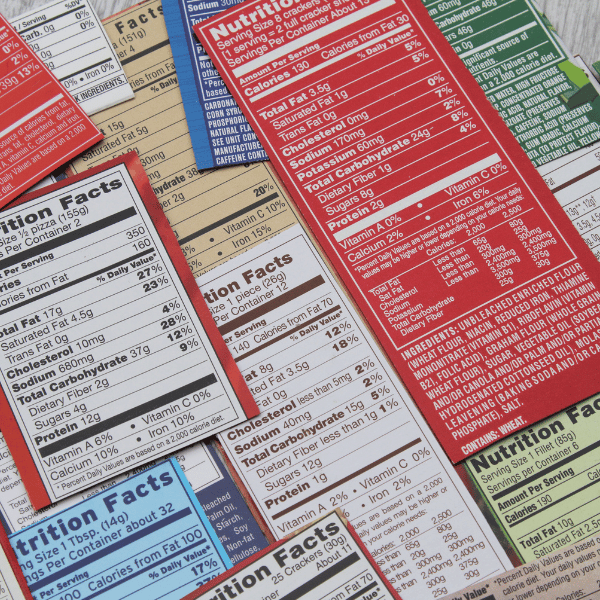
If you’ve ever picked up a product, flipped it over, and tried to read the label… you’re not alone.
Most people want to make better choices.
But food labels aren’t always as clear as they should be.
Over time, I’ve realized there are a few things that aren’t talked about enough, and once you understand them, everything starts to make a lot more sense.
Let’s break them down.
1. “Natural Flavors” Isn’t What It Sounds Like
It sounds simple. Clean. Like it came straight from nature.
But “natural flavors” can actually be highly processed ingredients derived from natural sources, then altered to create a specific taste.
The bigger issue?
Companies aren’t required to tell you exactly what those flavors are made of.
So while it sounds clean… it’s often one of the least transparent ingredients on the label.
2. “0g Added Sugar” Actually Means Something
There’s a big difference between no added sugar and products that contain added sugars, even in small amounts.
When a label says 0g added sugar, it means nothing extra was added during processing.
No cane sugar.
No syrups.
No hidden sweeteners.
It doesn’t automatically make a product perfect, but it’s a strong signal you’re starting with a cleaner base.
3. Sugar Alcohols Aren’t Always a Free Pass
You’ll often find these in “sugar-free” products:
Erythritol
Maltitol
Xylitol
They help lower the sugar number on labels, but they can come with trade-offs.
For many people, they can cause:
Bloating
Gas
Digestive discomfort
And that slightly artificial or cooling aftertaste.
They’re not sugar… but they’re not nothing either.
4. Seed Oils Are Often Hidden in Plain Sight
Instead of saying “seed oils,” labels usually list:
Soybean oil
Canola oil
Corn oil
Sunflower oil
These oils are widely used because they’re inexpensive and extend shelf life.
But if you’re trying to avoid them, you need to recognize the names because they’re rarely grouped together in a way that’s obvious.
The Bottom Line
Reading labels isn’t about being perfect.
It’s about understanding what you’re actually eating.
Once you know what to look for, it becomes easier to choose foods made with real, simple ingredients, and avoid the ones that rely on confusion.
And over time, you don’t just see the difference.
You feel it.
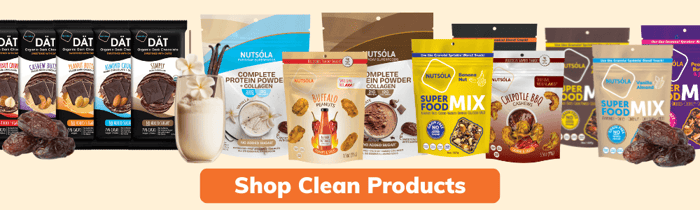
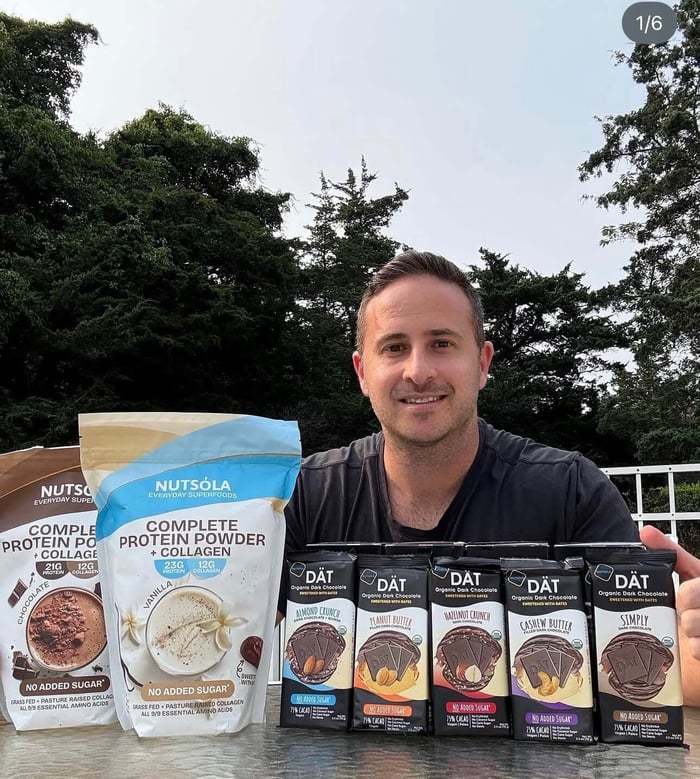
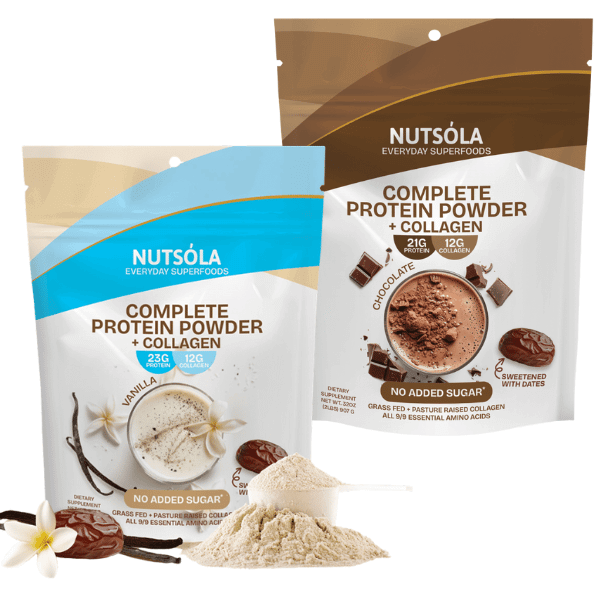
If you’re looking for products where every ingredient is simple and recognizable, you can explore them here.